Clear Aligner Process: What to Expect Week-by-Week
Clear Aligners, Week by Week: What the Whole Process Actually Feels Like
If you're considering clear aligners, you probably have questions beyond how they work. What does treatment actually feel like? How long does it take to adjust? What happens between appointments? Knowing what to expect can make the process feel much more manageable.
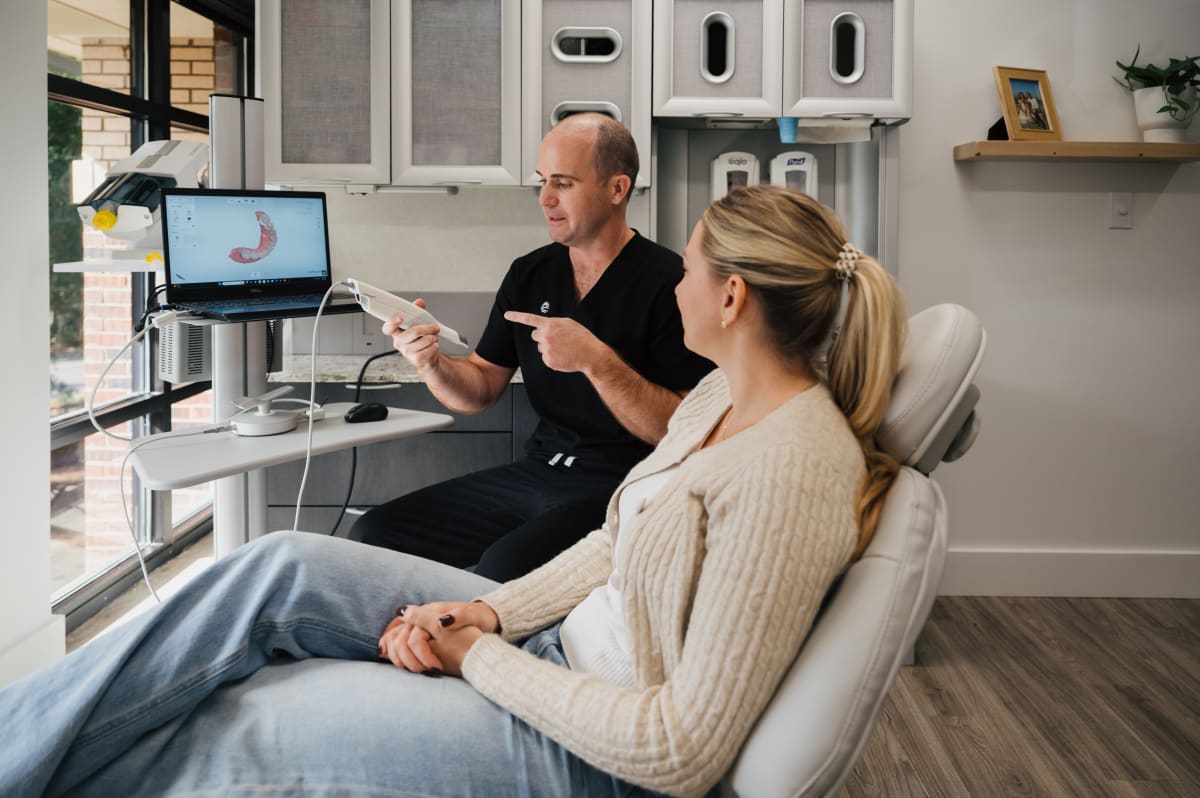
At Everything Dental in Charleston, every clear aligner treatment begins with a digital scan and a personalized treatment plan. While every smile is different, most people wear aligners for 6 to 18 months, changing to a new set of trays every one to two weeks. Throughout treatment, Dr. Fischer and our team monitor your progress and make adjustments as needed to keep everything moving in the right direction.
The sections below walk through each stage of treatment so you know what to expect from your first consultation through your final retainer.
Quick Takeaways
- Most clear aligner treatments take 6 to 18 months, depending on your orthodontic needs.
- Aligners should be worn 20 to 22 hours per day and removed only for eating, drinking anything besides water, and oral hygiene.
- Mild pressure or soreness is common when switching to a new set of trays and usually improves within a couple of days.
- Check-in appointments every 6 to 10 weeks help ensure treatment stays on track.
- Additional refinement trays are common and simply help achieve the best possible result.
- After treatment, wearing your retainer as directed is essential for maintaining your new smile.
Week One: Your Consultation and Digital Scan
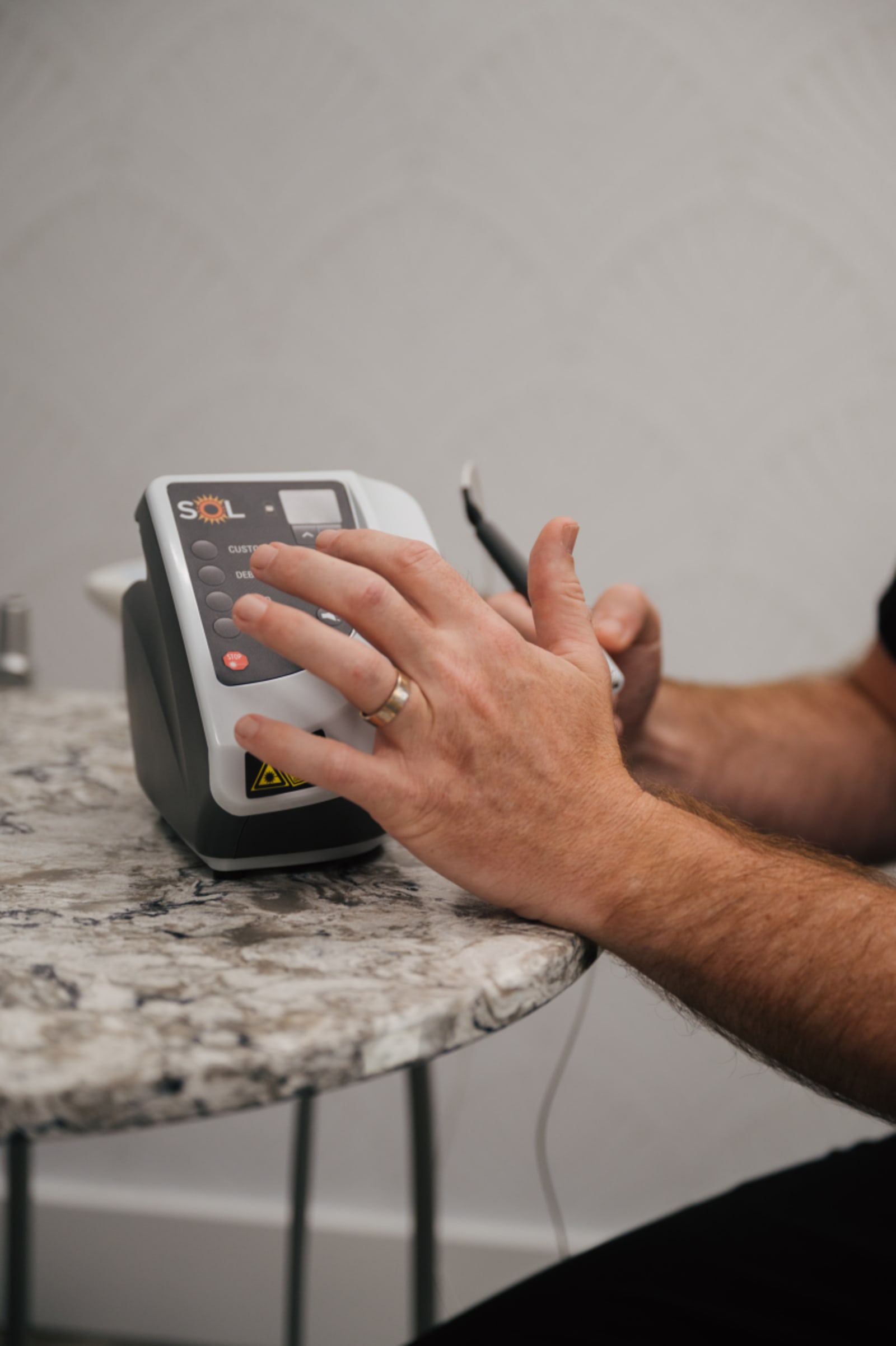
Your consultation is where everything begins. During this visit, we'll determine whether clear aligners are the right option for your smile and create the foundation for your treatment plan.
Using a digital scanner, we'll create a detailed 3D model of your teeth without the need for traditional impression material. We'll also evaluate your bite, tooth spacing, existing dental work, and overall oral health to determine how your teeth can safely and predictably move.
Not everyone is an ideal candidate for clear aligners alone. Certain bite concerns or more complex orthodontic needs may require a different approach, and we'll explain your options if that's the case.
Before you leave, you'll have a clear understanding of whether clear aligners are right for you, an estimated treatment timeline, and what comes next.
Weeks Two Through Four: Records, Planning, and the Wait
Once your consultation is complete and you've decided to move forward, the next step is gathering the detailed records needed to plan your treatment. During this visit, we'll take digital scans, photographs, X-rays, and any additional records needed to map your tooth movement with precision.
Using this information, your custom treatment plan is created and your aligners are fabricated specifically for your smile. This process typically takes two to four weeks, depending on your case.
Before your aligners are delivered, we'll review your treatment plan with you, including a digital preview of how your smile is expected to change over time. While every case is unique, this simulation gives you a realistic look at the planned results.
This is also when we'll discuss any additional steps your treatment may include, such as:
- Attachments: Small, tooth-colored bumps bonded to certain teeth to help the aligners create more precise movements.
- Interproximal Reduction (IPR): A conservative polishing between selected teeth that creates a small amount of space when needed for proper alignment.
Not every patient needs these additions, but if they're recommended, we'll explain exactly why and answer any questions before treatment begins. If we identify concerns such as gum disease or untreated decay during your evaluation, we'll recommend addressing those first to help create the healthiest foundation for tooth movement.
The First Few Trays: What Discomfort Is Normal?

When you insert your first set of aligners, it's completely normal to notice pressure or tightness. That sensation is a sign the aligners are beginning to move your teeth, and it usually lasts only a day or two after starting a new tray before gradually fading.
Most people describe the feeling as pressure rather than pain. If needed, over-the-counter pain medication is often enough to manage any temporary discomfort. If significant soreness continues beyond several days, let our team know so we can make sure everything is progressing as expected.
Many patients also notice a slight lisp during the first few days. Your tongue quickly adjusts to wearing the aligners, and speech typically returns to normal within about a week. If your treatment includes attachments, they may feel slightly rough against your lips or cheeks initially, but most people adapt very quickly.
The Daily Habit That Makes the Biggest Difference
Clear aligners only work when they're worn consistently. For most treatment plans, you'll need to wear your aligners for 20 to 22 hours each day, removing them only to eat, drink anything besides water, brush, and floss.
That means building a few new habits into your routine:
- Remove your aligners before eating or drinking anything except water.
- Brush and floss before putting them back in.
- Clean your aligners regularly to help keep them clear and fresh.
These small habits have a big impact on keeping your treatment on schedule. During your regular check-in appointments, we'll monitor your progress, make sure your teeth are tracking as planned, and answer any questions along the way. If something doesn't feel right, don't wait until your next visit—our team is here to help.
Months Two Through Six and Beyond: Staying on Track
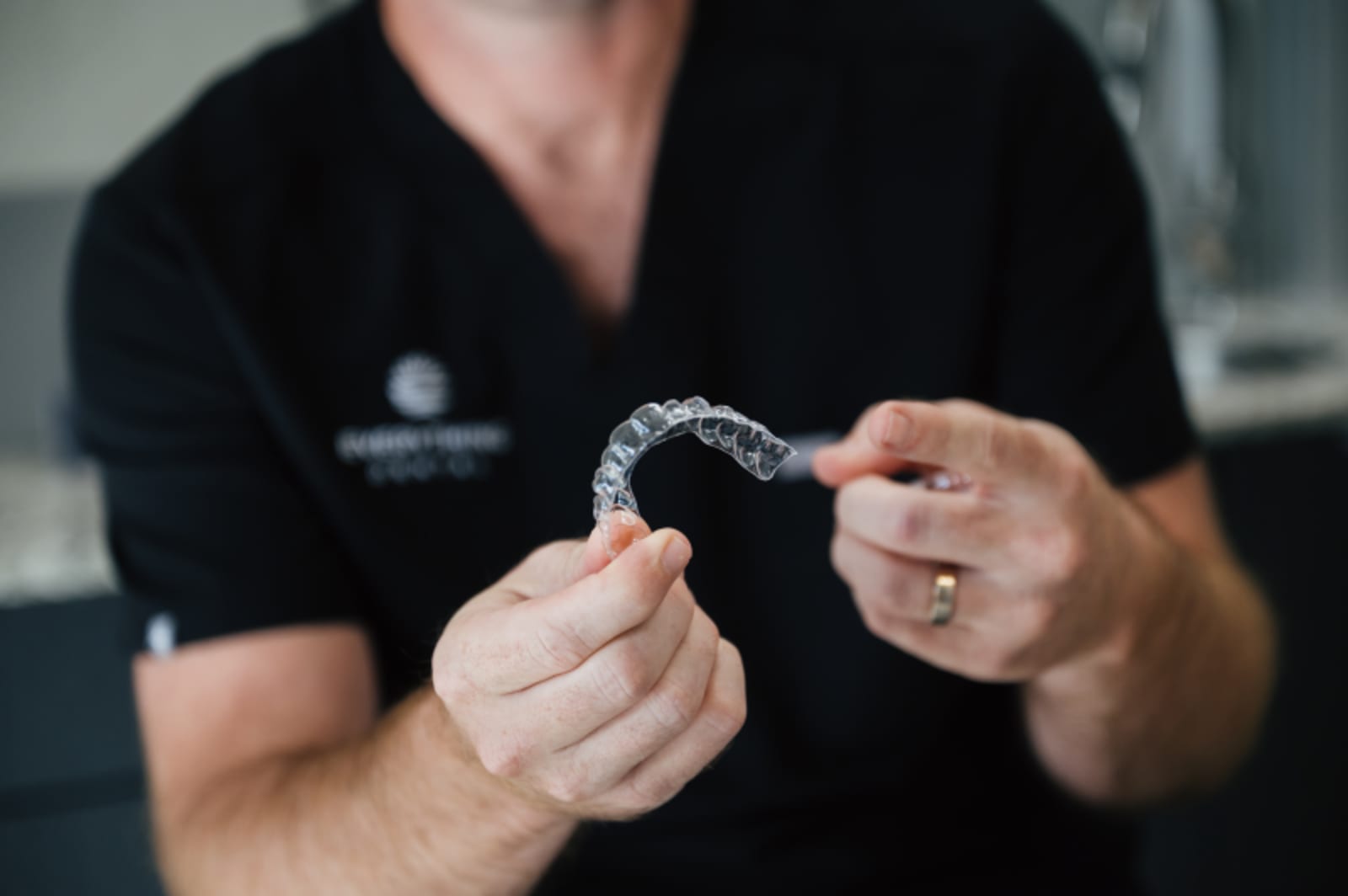
As treatment progresses, you'll settle into a predictable routine of wearing your aligners and visiting our office approximately every six to ten weeks. These appointments allow us to monitor your progress, confirm your teeth are moving as planned, and make any adjustments if needed.
We'll also check that your attachments remain secure, evaluate your bite as it changes, and ensure each new set of aligners continues fitting properly. Catching small issues early helps keep treatment moving efficiently.
Every smile responds differently, so treatment timelines can vary. Some people finish right on schedule, while others may need a few additional months or a short series of refinement aligners to achieve the best possible result. That's a normal part of treatment, not a setback.
At Everything Dental, we focus on choosing the aligner system that's the best fit for your specific needs rather than limiting treatment to a single brand. Whether your case is best suited for Invisalign® or another clear aligner system, our priority is selecting the option that gives you predictable, healthy results. Ultimately, successful treatment depends less on the brand of aligners and more on thoughtful planning, consistent wear, and ongoing professional guidance.
Refinements: Why Some People Need Additional Trays
Every treatment plan is designed carefully, but teeth don't always move exactly as a digital simulation predicts. That's why some people need refinements: additional aligners created to make small adjustments once you've worked through your original series of trays.
Needing refinements doesn't mean your treatment isn't working. Teeth respond differently from person to person, and factors like biology, consistent aligner wear, and the complexity of your case all play a role in how they move. For many patients, refinements are simply a normal part of achieving the best possible result.
If refinements are recommended, we'll explain why they're needed, what they'll accomplish, and how they affect your timeline. We'll also review any associated costs before moving forward, so you'll always know what to expect. Our goal is to keep the process transparent from your first consultation through your final tray.
Retention: Protecting Your New Smile
Finishing your last aligner is an exciting milestone, but it's not quite the end of treatment. Teeth naturally have a tendency to shift over time, which is why wearing a retainer is an essential part of maintaining your results.
Once your active treatment is complete, we'll recommend the type of retainer that's best for your smile. Common options include:
- Fixed retainers: A thin wire bonded behind certain teeth that stays in place and helps prevent unwanted movement.
- Removable clear retainers: Custom-made retainers that look similar to your aligners and are typically worn at night.
We'll give you detailed instructions on when and how to wear your retainer, along with tips for keeping it clean and in good condition. Staying consistent with retainer wear is one of the most important ways to protect the time and investment you've made in your smile, helping your results last for years to come.
Frequently Asked Questions
Will clear aligners hurt?
Expect tightness, not sharp pain, for the first day or two of each new tray, easing off by day three or four. Over-the-counter pain relief covers it for most people. Soreness past day four is worth a quick call.
Can I take my trays out for a wedding or a dinner?
Yes, that's the appeal of removable aligners. Just keep an eye on your total wear time, because the 20 to 22 hours a day keeps your case on schedule. The occasional event is fine; making a habit of long stretches without them stalls progress.
Why does my timeline keep changing?
Because teeth move at their own pace. If they fall behind the plan, we adjust, sometimes with refinement trays. A flexible timeline is a sign the case is being managed properly.
Do I really have to wear a retainer forever?
Yes, at night. Teeth shift for life, and the retainer is the low-effort insurance policy on all the work you just did.
Ready to Find Out What Your Treatment Could Look Like?
Every smile moves differently, which is why the only way to know what your timeline, treatment plan, and results might look like is through a personalized evaluation. At Everything Dental, we'll answer your questions, review your digital scan, and explain what to expect before you decide whether clear aligners are right for you.
If you're ready to learn more, schedule a consultation with Dr. Fischer and our team, or visit our office at 1951 Clements Ferry Rd Ste 201 Charleston, SC 29492. We'll help you understand your options, your estimated treatment timeline, and what your next steps would be, without any pressure to move forward.
Connect
with uS
Call 843.471.1677 or request an appointment online to set up your first visit. We’ll be in touch soon.