3D-Printed Retainers You Don't Have To Replace Every Year
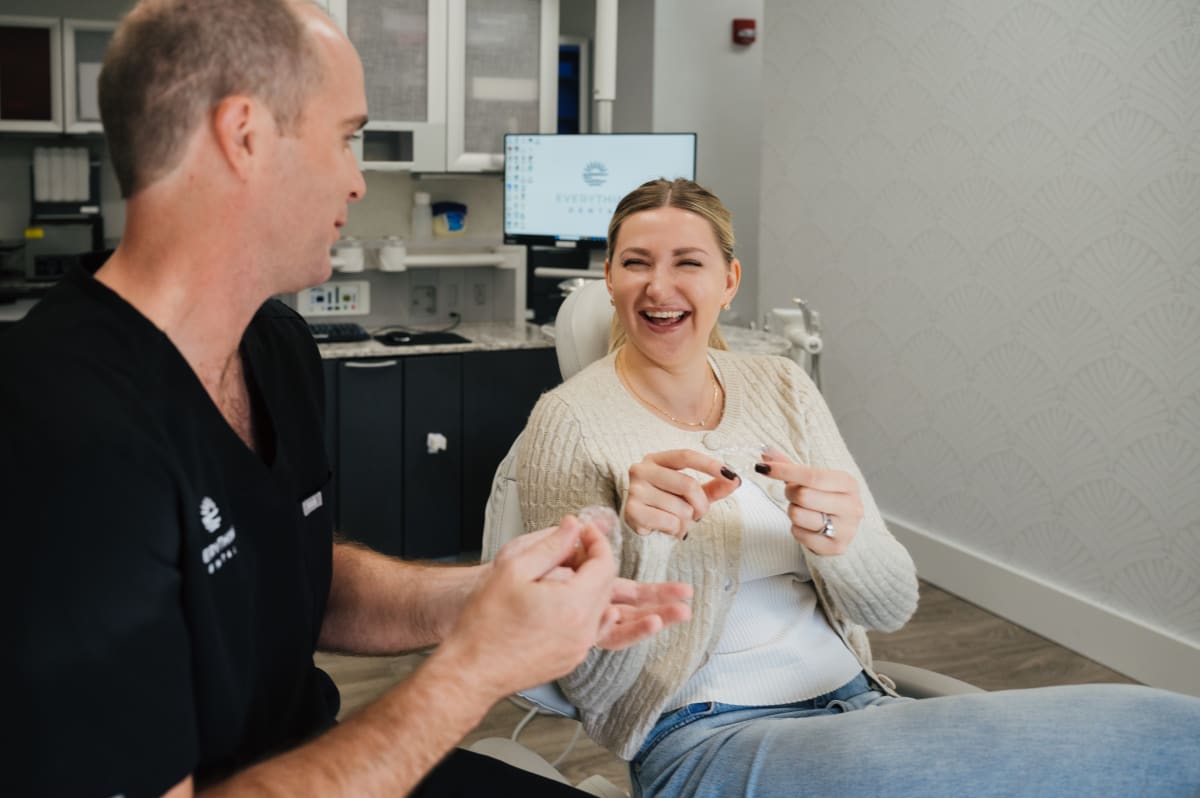
The Retainer That Actually Stays in Your Mouth
Maybe you've been quietly wondering the same thing a lot of our patients ask: why does the retainer or nightguard keep wearing out, and is there a version that doesn't need replacing every year? The short answer is yes.
A device that's mapped precisely to your bite and built from the right material holds up for years, not months, because what usually fails a retainer isn't time. It's fit.
You probably know how the old story goes: The guard came in, felt bulky and a little off, and you told yourself you'd get used to it. A week later it was on the nightstand. A month later it was buried in a drawer. Now you're waking up with a tight jaw and a dull headache, and the whole thing feels like money you'd rather not think about. That cycle isn't a willpower problem. A device that doesn't fit right won't become comfortable no matter how much you try to make it work.
Dr. Lawrence Fischer and the team at Everything Dental here in Charleston make 3D-printed retainers and nightguards that are scanned and shaped to your exact bite, then printed from materials engineered for daily wear and the grinding that stress does to your teeth overnight. If you'd rather just talk it through, give us a call at (843) 755-6602 and we'll tell you honestly whether it's worth it for you.
The Short Version
- Most retainers and nightguards don't fail because they're old. They fail because they never fit precisely in the first place.
- A 3D-printed appliance, built from a precise digital scan of your bite, fits accurately and lasts years instead of cracking, loosening, and needing yearly replacement.
- Because we print in-office, many people leave with their device the same day or pick it up at their next visit, no multi-week lab wait.
Why Traditional Nightguards Fail the People Who Need Them Most
The durability difference comes down to something most people are never told: how the device gets made in the first place sets it up to fall short before you've worn it a full week.
Whether it's a soft over-the-counter tray or a lab device your dentist ordered, a traditional nightguard usually starts with a physical impression. Putty goes in your mouth, you bite down, and a mold gets created. It sounds precise, but impression material doesn't hold still:
- It shifts and compresses while it sets.
- It pulls and distorts slightly as it's removed from your mouth.
- It can pick up tiny voids and bubbles that throw off the surface.
By the time that mold reaches a lab and a guard is built around it, the fit is already a close guess, not a replica. For mild grinding, close enough might be fine. But if you clench hard under stress, a guard that sits loosely or unevenly creates pressure points. Those points wear down fast, the device starts to feel wrong, and you stop wearing it, or you go back and pay for another one. Plenty of folks around the Low Country know that loop all too well.
What 3D Printing Actually Changes About the Fit
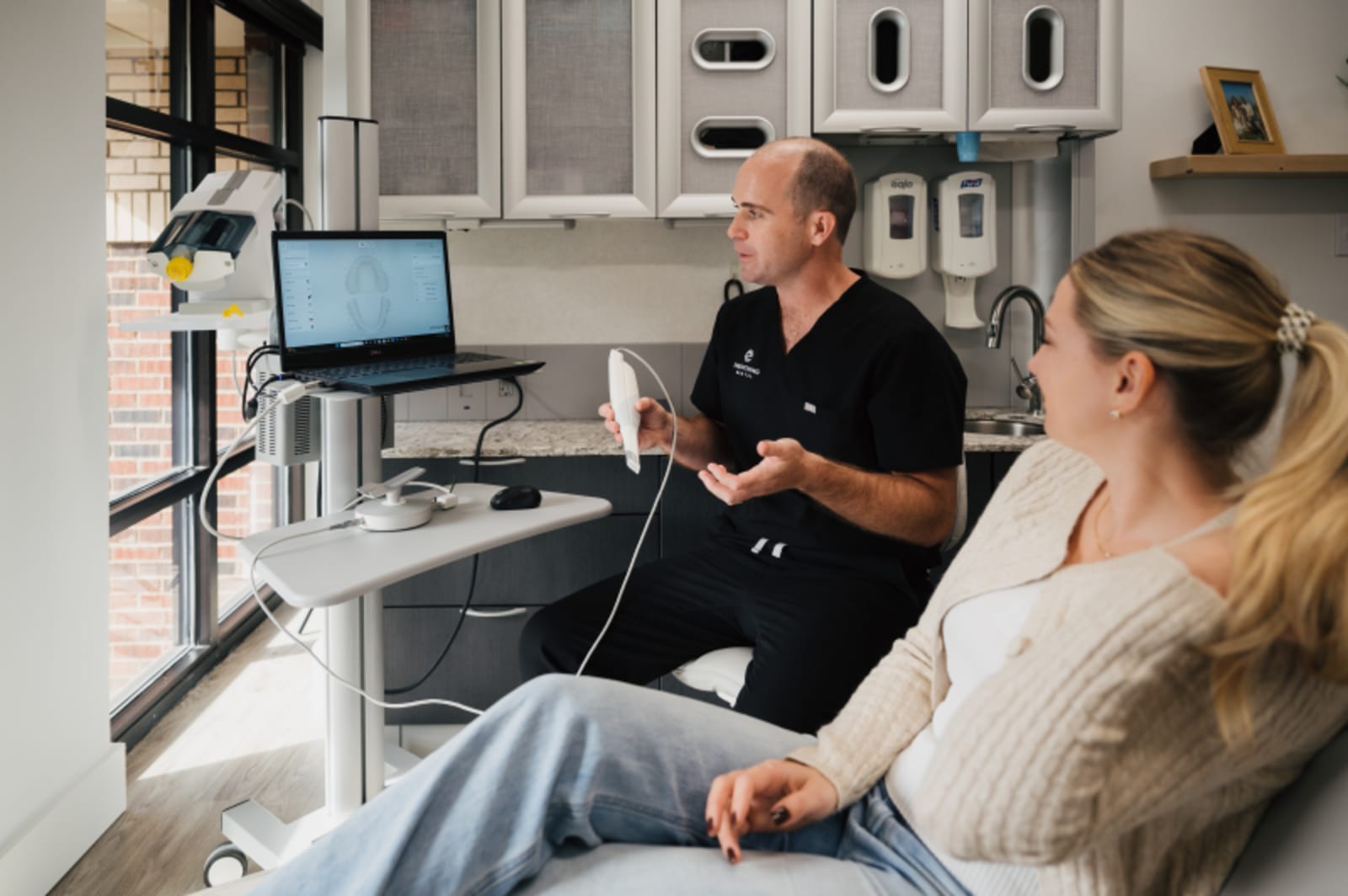
The process begins with a digital scan of your teeth: a precise, three-dimensional map of exactly how they sit and meet. No tray of putty that moves while it sets. No mold shipped off and interpreted by someone who's never seen your mouth. That digital geometry goes straight to the printer, and the device is built to match it down to the contours.
What that feels like in practice
- It seats fully the first time. No rocking, no repeated adjustments to stop a spot from rubbing.
- It spreads force the way it's supposed to. Because it follows the real shape of your bite, pressure gets distributed evenly instead of piling up in one corner.
- It's comfortable enough to actually keep on. A guard that feels right at night is one you'll still be wearing in three months.
This is why the material alone was never the whole story. Even the best material fails if the fit is off: a guard that doesn't seat correctly loads stress in the wrong places, wears unevenly, and quits early. Precision isn't a bonus feature. It's the thing that makes the appliance work in the first place, and it's why a scanned-and-printed device outlasts one built from an impression. That same attention to getting fit and function right is exactly how we approach our restorative work too.
How Long Should a Retainer Actually Last?
This is the question underneath all of it. A lot of patients quietly wonder whether they've just signed up to buy retainers forever. The honest answer is that it depends, and it depends mostly on fit.
A retainer that doesn't fit precisely concentrates force in the wrong spots. Instead of sharing pressure evenly across your teeth, it flexes and pushes unevenly every single time you wear it. That stress adds up:
- The material fatigues faster.
- The fit loosens sooner.
- You're back at square one far earlier than you should be.
A retainer built from the right material for your specific bite load, shaped from an accurate scan of your actual teeth, holds up far longer. We're talking years of reliable use rather than a revolving door of replacements.
We won't hand you a generalized length of time and call it a guarantee for long they last, because wear patterns vary and how you store and clean it matters. But if your retainers keep failing quickly, that's a fit problem worth solving, not a cost you should just accept. If keeping long-term care predictable is part of what worries you, our membership plan is worth a look.
Same-Day Turnaround, and Why It Matters for Your Health
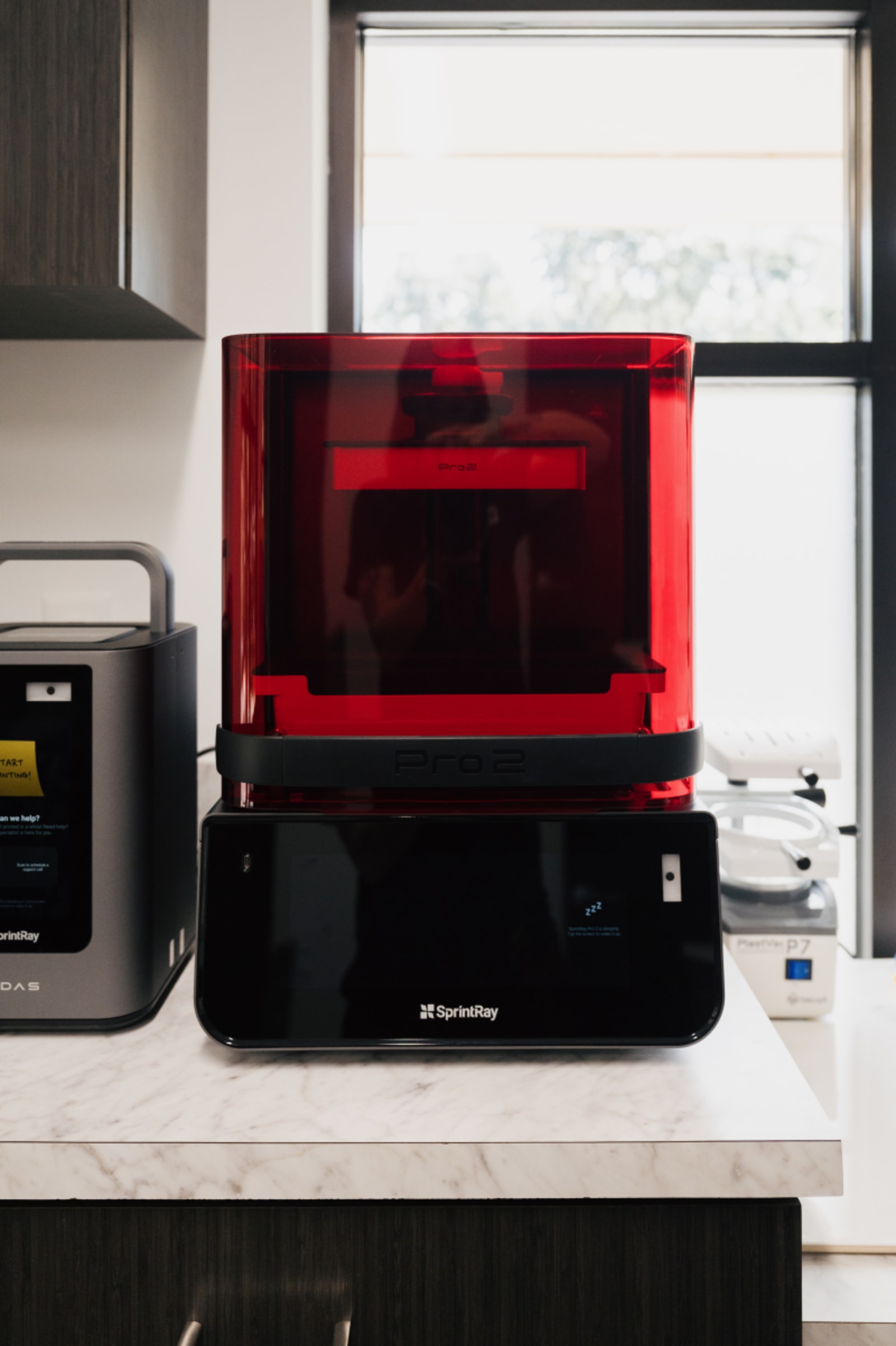
Keeping up with your care is a lot easier when the process doesn't fight you at every step. With a traditional lab-made nightguard, you're usually looking at two separate appointments and a week or more of waiting in between. That gap isn't only inconvenient. Every night without a properly fitted guard is another night of enamel wear and jaw strain that didn't need to happen.
Printing in-office changes that timeline. Because the design and fabrication happen right here, many people walk out with their device the same day or grab it at their very next visit. When you're juggling a full schedule, that's not a small thing. The friction of a multi-week process is often the exact reason people put it off, and putting it off has real consequences for your teeth and your jaw joint over time.
Getting protected shouldn't mean rearranging your life. When the technology makes it both faster and more precise, there's no real reason to wait.
A Few Quick Questions We Hear About 3D-Printed Retainers
Will a 3D-printed nightguard really feel different from the one I stopped wearing?
It should, because the difference is in how it seats. A guard built from a digital scan sits flush against your teeth instead of rocking or rubbing in spots, and that's usually the thing that made the old one unbearable.
Can I get one made if I never had braces?
Yes. Many people who ask us about this are grinders, not former orthodontic patients. You don't need a history of braces to benefit from a guard that protects your teeth overnight.
How do I keep it lasting as long as possible?
Rinse it after use, store it dry in its case, and bring it along to your regular visits so we can check the fit. A precise guard does most of the work, but a little care stretches its life even further.
Stop Replacing It Every Year
Most patients go years without knowing a longer-lasting option even exists, not because anyone's hiding it, but because it rarely comes up unless someone asks. So consider this your nudge to ask.
Bring it up at your next visit, or call us at (843) 755-6602 and we'll walk you through whether it makes sense for your situation before you commit to anything. Dr. Fischer is plain about what's worth it and what isn't, no pressure and no oversell. If you'd like to know what your first appointment looks like, here's exactly what to expect.
Stop Replacing It Every Year
Most patients go years without knowing a longer-lasting option even exists, not because anyone's hiding it, but because it rarely comes up unless someone asks. So consider this your nudge to ask.
Bring it up at your next visit, or call us at (843) 755-6602 and we'll walk you through whether it makes sense for your situation before you commit to anything. Dr. Fischer is plain about what's worth it and what isn't, no pressure and no oversell. If you'd like to know what your first appointment looks like, here's exactly what to expect.
Connect
with uS
Call 843.471.1677 or request an appointment online to set up your first visit. We’ll be in touch soon.